
See some of the fun — and sometimes spooky — stories HIKI NŌ students have produced.

The AI revolution is here. Who benefits, who loses, and who decides?

Enjoy selections from Waipuna’s first album, “Manaʻo Pili” to their fourth, “E Mau Ke Aloha.”
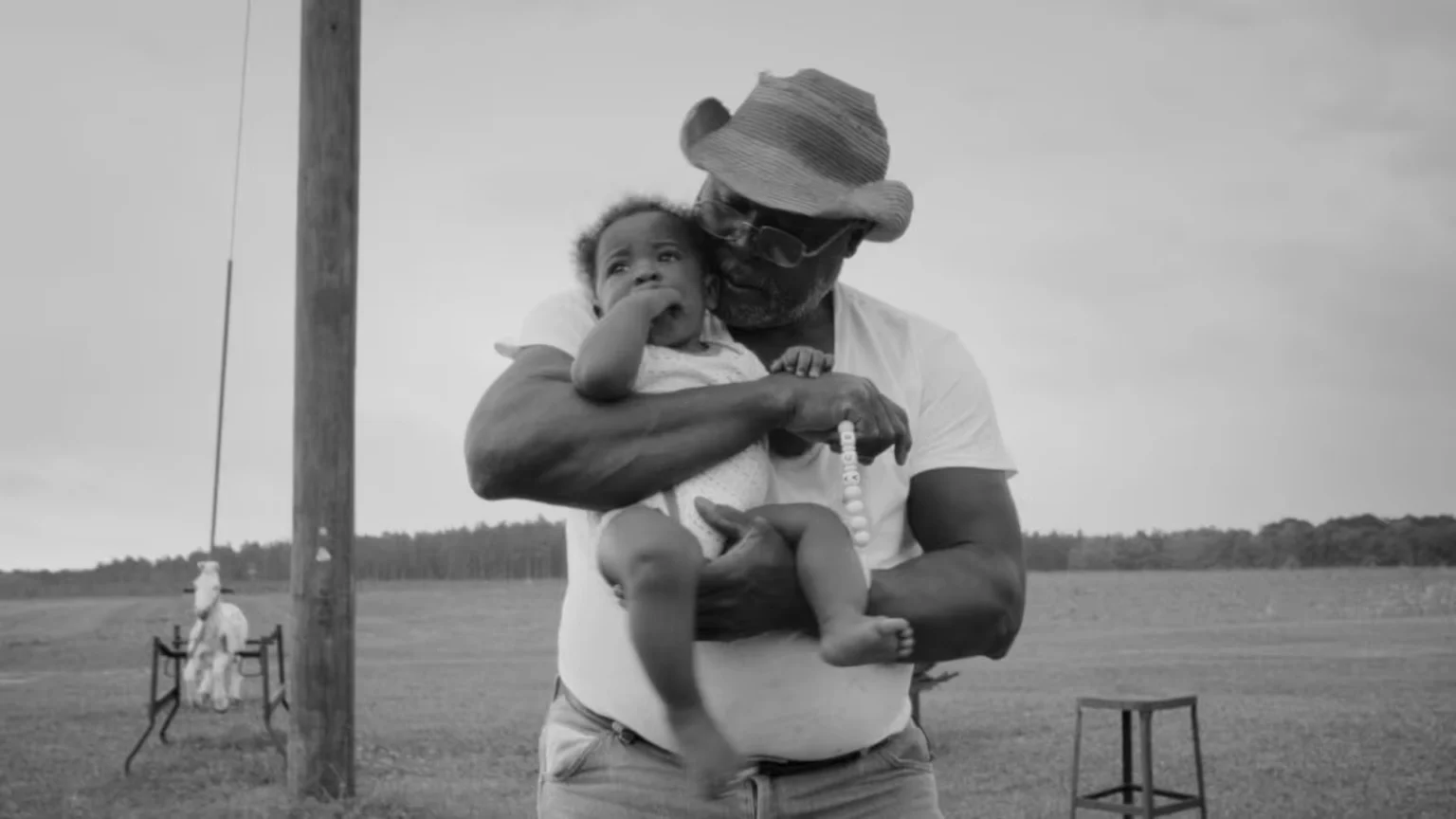
Seeds is a visual exploration of Black farmers and the power of owning land across generations.
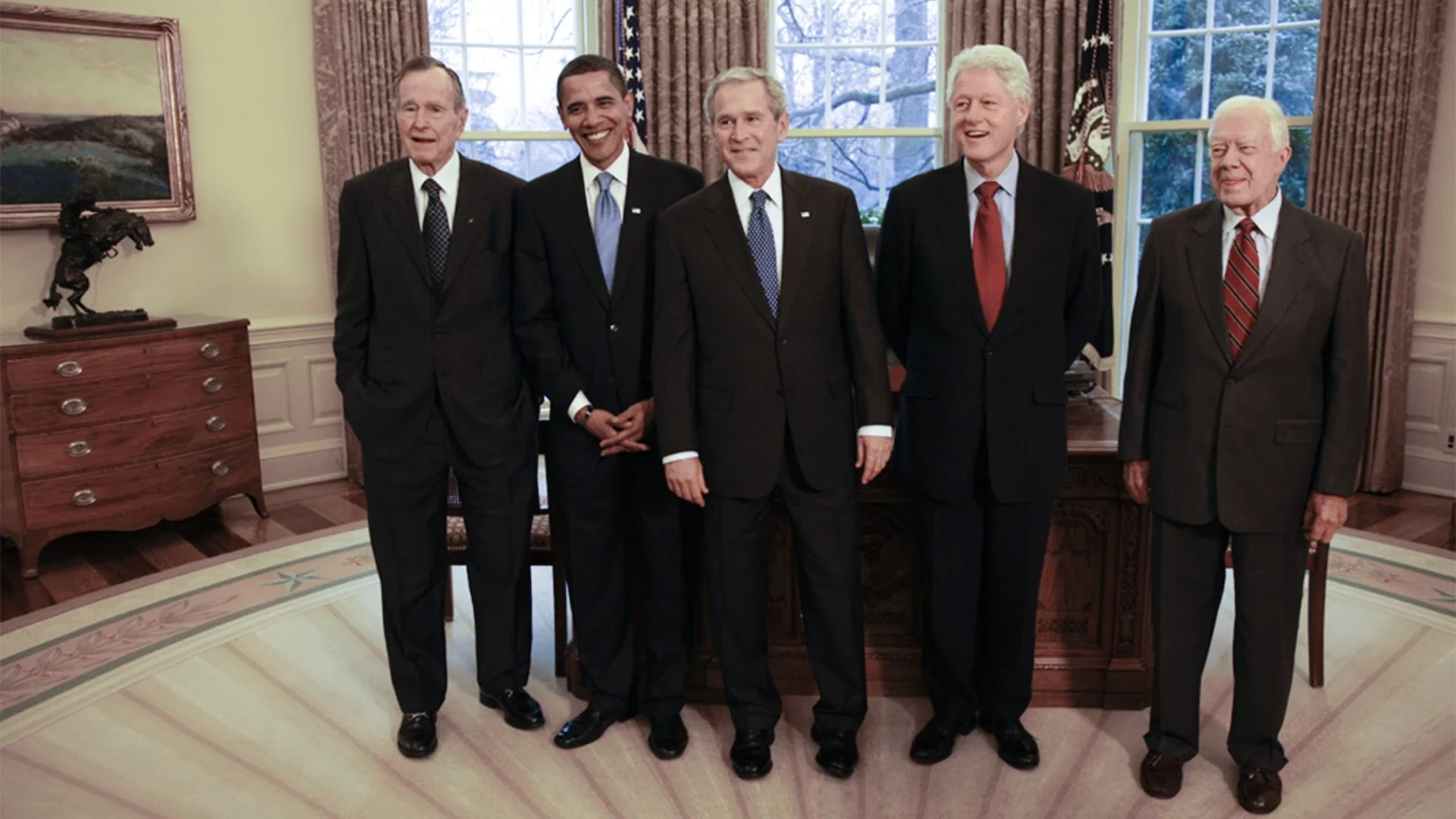
History comes alive with leadership lessons from presidents and first ladies for America’s 250th.
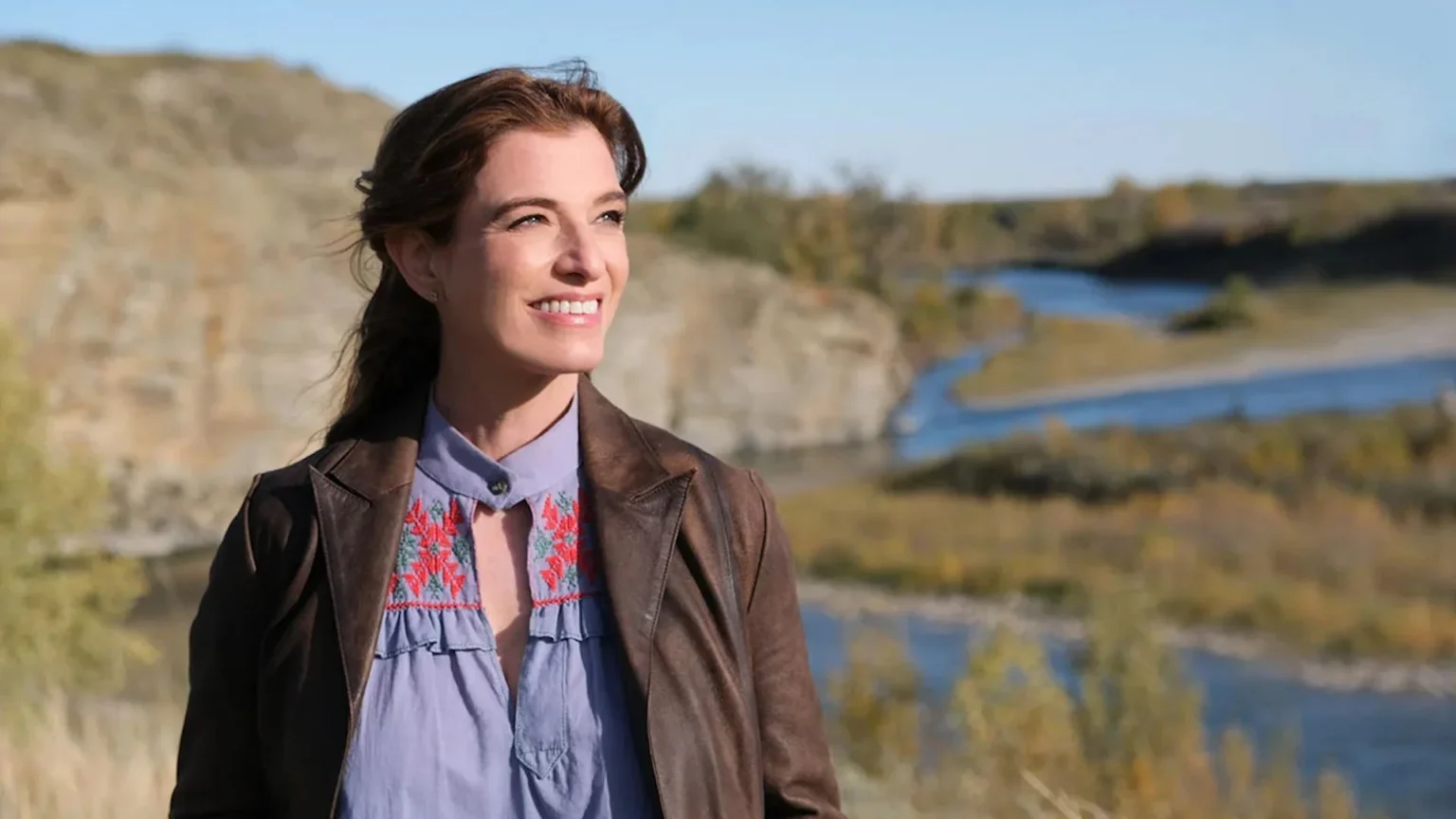
Pati begins the next leg of her Pan-American journey at the northern border of the United States, moving south into Montana and Wyoming to explore how change often begins with one person deciding something must be preserved, restored, or reimagined.

This month marks 60 years of telling Hawaiʻi’s stories and the start of a year-long commemoration of that milestone.












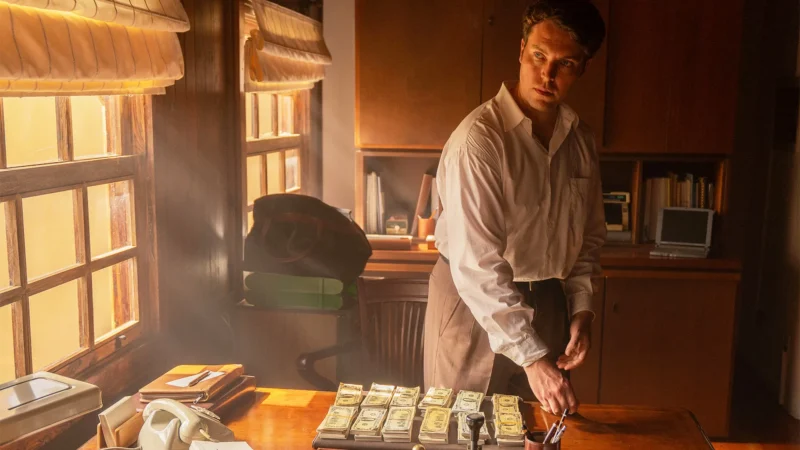
The proceeds from the stolen Brink’s-Mat gold are laundered through growing international criminal networks. The police pick up the trail as their investigation spreads overseas.

With an injury and his investigation shut down, Maigret and his team continue investigating Adeline’s past from his apartment. When they uncover she was only the latest of three violent deaths, Maigret must decide whether to destroy two more lives.
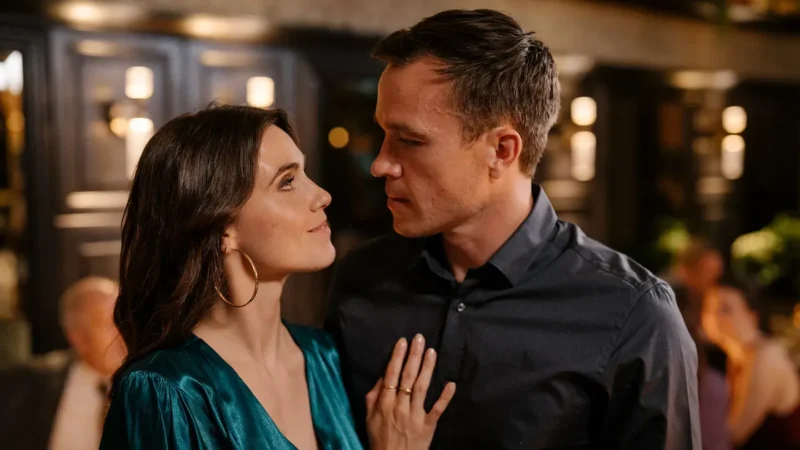
A boxing match ends in murder. Adelaide fades. Dan’s romance puts Chloe in the crossfire.
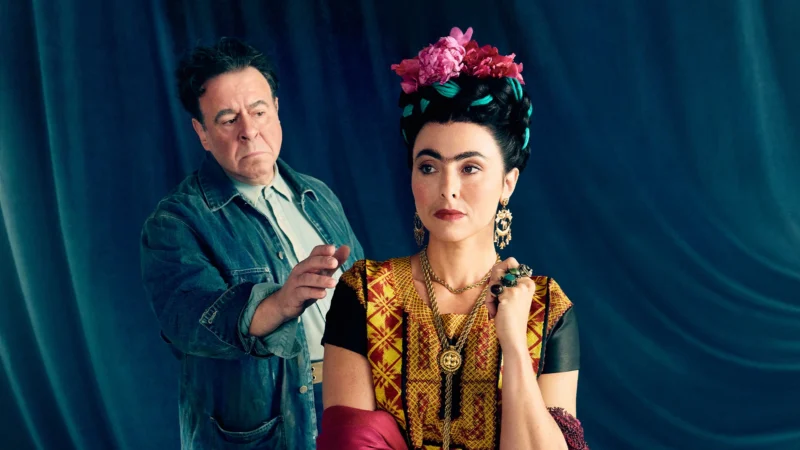
American composer Gabriela Lena Frank makes her Met debut with her first opera, a magical-realist portrait of painters Frida Kahlo and Diego Rivera. With a libretto by Pulitzer Prize–winning playwright Nilo Cruz, the opera is fashioned as a reversal of the Orpheus and Eurydice myth.
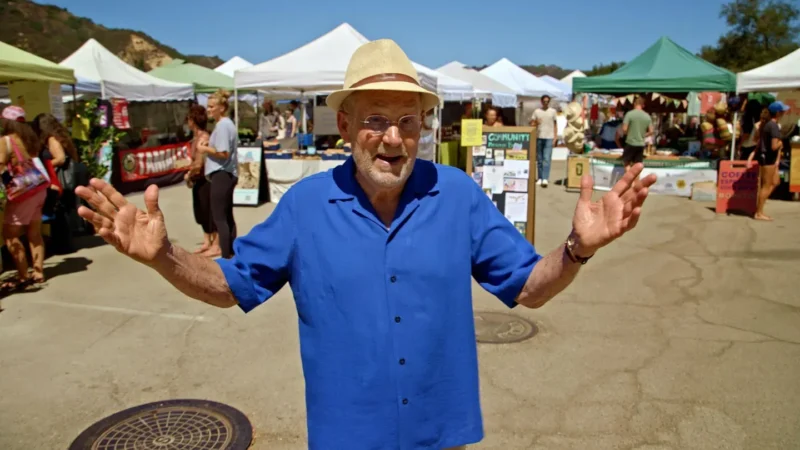
As part of his public television and CreateTV 20th anniversary celebration, in this commemorative episode Steppin’ Out host Joseph Rosendo introduces viewers to the Wonderful World of Markets, which span the globe from Ethiopia and along the banks of the Lot River in France to his hometown of Topanga, California in Southern California’s Santa Monica Mountains.